
Ash Tree Removal (EAB)
Removing ash trees lost to emerald ash borer across the Front Range.
Creative Tree & Stump LLC is a Brighton, CO-based tree removal company serving 22 communities across Adams, Weld, Jefferson, Boulder, Broomfield, and Denver counties. Emerald ash borer was first confirmed in Colorado in Boulder in 2013 and has since spread across the Front Range, and Shawn Brandau — an ISA Certified Arborist working here since 1991 — has handled the ash decline that followed firsthand.
Is Your Ash Worth Saving?
Not every infested ash has to come down. As a general rule, a structurally sound ash that has lost less than about a third of its canopy can often be protected with emerald ash borer treatment, repeated on a regular cycle. A tree past roughly 40–50% canopy loss is usually too far gone for treatment to recover, and removal becomes the safer, more economical choice. Treatment is also an ongoing commitment — it must be repeated on a cycle for the life of the tree, so it makes the most sense on a healthy, valued ash, not a declining one.
The telltale signs of emerald ash borer are thinning that starts at the top of the canopy, new sprouts emerging from the trunk and base (a stress response), vertical bark splits, increased woodpecker activity flecking the bark, and the small D-shaped holes where adult beetles exit. If you are unsure which stage your ash is in, an arborist assessment settles it quickly. Catching an infestation early is what keeps treatment on the table at all.
Why Timing Matters (September 1–April 30)
The preferred window to remove an infested ash is the dormant season, roughly September 1 through April 30. During these months the beetle’s larvae are still under the bark rather than emerging as adults, so taking the tree down and handling the wood then helps limit the spread to neighboring ash. It also coincides with the bare, lighter, easier-to-rig condition that makes any removal safer.
Beyond timing, ash wood should be handled responsibly: chipping or disposing of it locally rather than hauling untreated logs long distances has been the standard guidance for slowing emerald ash borer’s movement. We follow local recommendations on how the wood is processed, so removal does not become part of the problem.
Removal & Replacement
Because emerald ash borer is fatal to untreated ash, a removed tree should be replaced with something other than another ash. Diversifying your yard with species like oak, hackberry, Kentucky coffeetree, linden or honeylocust spreads the risk, so a single future pest can never wipe out your canopy the way EAB has wiped out ash. We are glad to suggest species suited to your site, soil and water.
When you are ready, removal and replanting can be handled together, leaving you with a clean site and a healthier mix of trees rather than a stump and a gap. The goal is a yard that is more resilient than it was before the ash declined.
We handle ash removal and replanting across all 22 of the communities we serve. Because so many Front Range neighborhoods were planted heavily with ash in the same era, whole streets are losing trees on a similar timeline — we can help you plan removal and replacement in a way that staggers the cost rather than facing it all at once.
Owner-Operated, ISA Certified, Insured
Shawn Brandau has worked Front Range trees since 1991 and through the entire arrival of emerald ash borer — an ISA Certified Arborist on site, full insurance on every job, and honest guidance on whether your ash should be treated or removed.
Related Tree Removal Services
Dead & Diseased
Failing trees of any species, assessed and removed before they fall.
Dead & diseased removal →Emergency Removal
Brittle, dead ash that has already failed — same-day response.
Emergency tree removal →Ash (EAB) Removal FAQs
If the tree is structurally sound and has lost less than about a third of its canopy, treatment can often save it. Past roughly 40–50% canopy loss, removal is usually the safer and more economical choice. An assessment confirms which stage your ash is in.
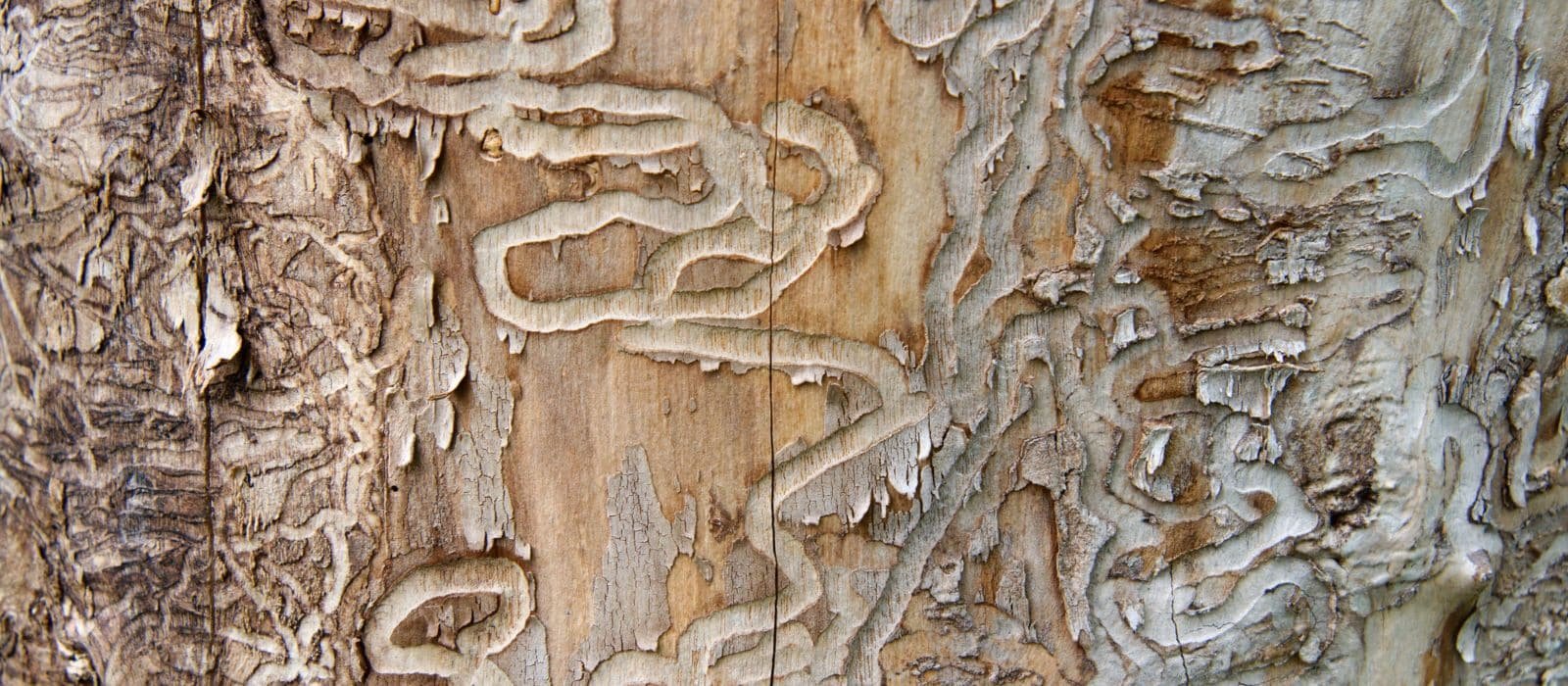
Canopy thinning from the top down, new sprouts on the trunk and base, vertical bark splits, heavy woodpecker activity, and tiny D-shaped exit holes. Under the bark you may see winding, S-shaped larval tunnels.
The dormant season, roughly September 1 to April 30, when larvae are still under the bark and the tree is bare and easier to rig. This timing also helps limit the spread of the beetle to nearby ash.
Anything but another ash. Diverse species such as oak, hackberry, Kentucky coffeetree, linden or honeylocust reduce the chance a single pest can take your canopy again. We can recommend trees suited to your site, soil and water so the replacement thrives rather than struggling.
Yes. Ash killed by emerald ash borer becomes brittle unusually fast, shedding limbs and failing sooner than many other dead trees. Standing dead ash near a home or walkway should be removed promptly, before the first heavy wind or snow finds it.
