
Defensible Space Creation
Zone-based clearing that gives your home a fighting chance.
Creative Tree & Stump LLC is a Brighton, CO-based tree removal company serving 22 communities across Adams, Weld, Jefferson, Boulder, Broomfield, and Denver counties. Shawn Brandau, an ISA Certified Arborist who has worked Front Range properties since 1991, builds defensible space to CSFS guidelines, and the company is fully insured. We design it to protect the home while keeping the property a place you still want to live.
Zone 1, 2 and 3 Work
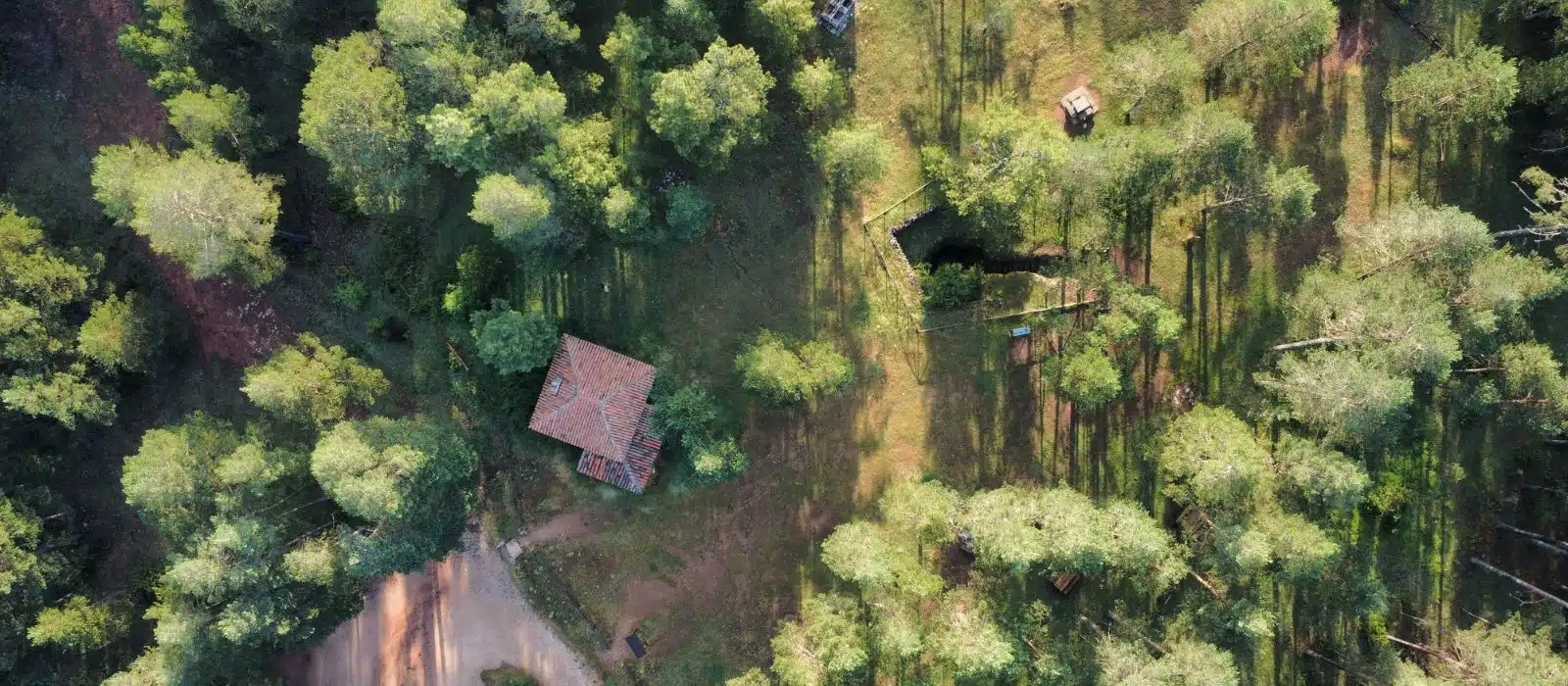
The CSFS framework works outward from the house in concentric zones. Zone 1, generally the first 30 feet, is the lean, clean and green zone: we remove dead branches and shrubs, pull flammable material away from the walls and deck, space the remaining plants so fire cannot run between them, and limb up trees so nothing carries flame upward. This zone does the most to protect a structure, so it comes first whenever we plan the work and the first place a tight budget should go.
Zone 2, roughly 30 to 100 feet out, is the fuel-reduction zone. Here we thin trees so their crowns are spaced apart — about 10 feet between them is the common guideline — remove ladder fuels, and clear the heavy brush that would otherwise carry a fire straight to the house. Zone 3, beyond 100 feet to the property line, is thinned more lightly to keep a fire on the ground and slow its momentum before it ever reaches the inner zones. In fire-exposed communities like Boulder, where homes meet the foothills, this layered approach is exactly what gives a structure a chance — each zone buys a little more margin for the next, slowing the fire and lowering its intensity before it ever reaches the walls.
The New Noncombustible Zone
The most important update to defensible-space guidance is the innermost band: the noncombustible zone in the first 0 to 5 feet right against the structure. This is where wind-blown embers — the way most homes actually ignite — come to rest, so the goal is to give them nothing to catch. That means no wood mulch, no shrubs or woody plants against the siding, no firewood stacked on the deck, and ideally gravel, pavers or bare soil in that strip. It is the cheapest part of the whole plan and one of the most effective, which is why we point people to it first.
It is a small area that does an outsized amount of the work, and it costs very little to get right. Removing standing dead trees near the home is part of the same effort, since dead wood is dry, ignites easily and throws embers of its own — we handle dead and diseased tree removal as part of building your defensible space. We provide defensible-space work throughout all 22 of the communities we serve.
Owner-Operated, ISA Certified, Insured
Shawn Brandau has built Front Range defensible space since 1991 — an ISA Certified Arborist working to CSFS guidelines, full insurance on every job, and clearing prioritized closest to the house first.
Related Wildfire Mitigation
Wildfire Mitigation
Our complete defensible-space and fuels-reduction overview.
All wildfire mitigation →Ladder Fuel Reduction
Break the path fire climbs from ground into the tree canopy.
Ladder fuel reduction →Defensible Space FAQs
It is the managed, fuel-reduced area around a home that slows a wildfire and gives firefighters room to defend it. It is created by spacing trees and shrubs, removing dead material and ladder fuels, and keeping the area against the house clear of anything flammable, so a fire arrives with far less to burn.
The CSFS recommends managing vegetation out to at least 100 feet where space allows — a lean Zone 1 in the first 30 feet, a thinned Zone 2 from 30 to 100 feet, and lighter management beyond. The first few feet against the house are the most important of all, since that is where embers most often start a home burning.
No. It means spacing and thinning, not removing everything. You can keep trees and a landscaped yard — they just need to be arranged so fire cannot spread easily between them, with the area nearest the house kept clean. We aim to protect the home while keeping the property attractive, so you are not trading safety for a yard you dislike or one that looks completely stripped and bare.
It is the noncombustible band right against the structure, where wind-blown embers most often start a home burning. The goal is to give embers nothing to catch — no wood mulch, no woody plants against the siding, no firewood on the deck, ideally gravel or pavers instead. It is a small strip that prevents a surprising share of home ignitions, and it costs almost nothing to maintain once it is set up.
Often yes. The 2021 Marshall Fire was a grass fire that destroyed more than a thousand suburban homes in Boulder County. Any property near open space, fields or the wildland-urban interface benefits, because embers travel far ahead of the flames and land on homes well before the fire does. That is why mitigation matters on the open plains just as much as the foothills.
