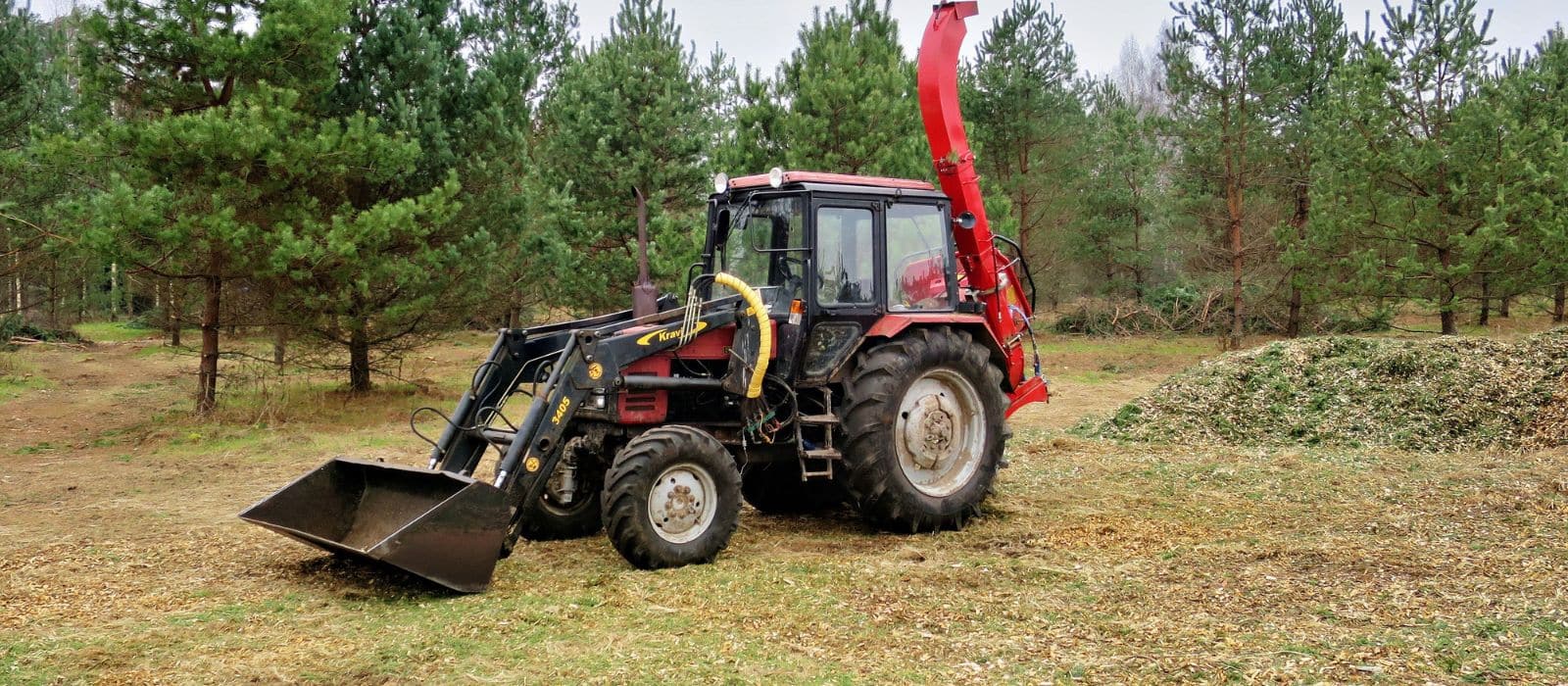
Haul and chip the fuels mitigation leaves behind.
Creative Tree & Stump LLC is a Brighton, CO-based tree removal company serving 22 communities across Adams, Weld, Jefferson, Boulder, Broomfield, and Denver counties. Shawn Brandau, an ISA Certified Arborist who has worked Front Range properties since 1991, finishes every mitigation job by clearing the slash, and the company is fully insured. Cleanup is part of the work, not an extra you have to chase.
It is easy to think the work is done once the trees are thinned and the limbs are down, but leaving the cuttings on the ground can make a property more dangerous, not less. Fresh slash dries out over a season into concentrated piles of fine, flammable fuel — exactly the kind of material that ignites fast and burns hot. A yard dotted with brush piles has simply traded standing fuel for ground fuel, and often put it closer to the house in the process.
Proper slash disposal is what turns fuels-reduction work into real protection. The cut material needs to leave the defensible-space zones entirely, so the area you cleared stays clear. That is why we treat removal as part of the job rather than an afterthought — the goal is a finished, genuinely defensible property, not a cleaner-looking one with hidden fuel stacked at the edges. Across Erie and the grassland-edge communities we serve, that finished, fuel-free result is the whole point of the work.
There are two main ways to deal with slash, and we use whichever fits the property. Chipping runs the branches through a chipper on site, turning a large volume of brush into a small volume of wood chips quickly and efficiently — ideal after heavy pruning or ladder fuel reduction, where there is a lot of limb material. Hauling simply loads the slash and takes it away, which suits smaller jobs or properties where chips are not wanted on site at all.
The resulting chips can be useful — spread thinly as mulch well away from the home’s ignition zone, they suppress weeds and hold soil moisture. What they should never do is end up piled against the house or heaped deep in the inner defensible-space zones, where they would reintroduce the very fuel you removed. We place or remove them accordingly, based on where they help and where they would hurt.
Beyond on-site chipping, there are good options for getting slash off the property. We can haul it to a slash or mulch collection site, and many Front Range counties and communities run seasonal slash drop-off or collection programs specifically to help homeowners dispose of fuels-reduction debris, which we stay current on so we can point you to the nearest option. We handle the hauling so you do not have to make multiple trips, rent a trailer, or figure out where it all can go.
Open burning is generally not the answer — it is tightly restricted across the Front Range and often outright banned during dry and windy conditions, for obvious reasons. Chipping and hauling are the safe, reliable routes, and they keep your finished defensible space clean. We provide slash removal and chipping throughout all 22 of the communities we serve.
Shawn Brandau has cleared Front Range job sites since 1991 — an ISA Certified Arborist who treats cleanup as part of the work, full insurance on every job, and no piles left behind.
Our complete defensible-space and fuels-reduction overview.
All wildfire mitigation →Zone-based clearing that gives your home a fighting chance.
Defensible space →Slash is the branches, limbs and brush left over after thinning, pruning and fuels-reduction work. It is woody debris that, left in place, dries into concentrated piles of flammable fuel — so it needs to be removed to finish the job and actually protect the property.
Because dried slash piles are exactly the kind of fine, flammable fuel that ignites fast and burns hot. Leaving them simply trades standing fuel for ground fuel and undermines the defensible space you created. The cut material needs to leave the cleared zones entirely, not just get moved to the back fence.
It depends on the job. Chipping is efficient for large volumes of branches and produces usable wood chips on site; hauling suits smaller jobs or when chips are not wanted. We use whichever fits the property and handle it either way, so the cleanup is never something left for you to deal with.
Yes, spread thinly as mulch well away from the home’s ignition zone, where they suppress weeds and hold moisture. They should never be piled against the house or heaped in the inner defensible-space zones, where they would reintroduce fuel.
Generally no. Open burning is tightly restricted across the Front Range and often banned outright in dry, windy conditions. Chipping and hauling are the safe, reliable options, and they leave your defensible space clean without the fire risk. They are also simply far less hassle for the homeowner.
 Call Now
