
Soil Aeration & Mulching
Relieve compaction and protect the root zone.
Creative Tree & Stump LLC is a Brighton, CO-based tree removal company serving 22 communities across Adams, Weld, Jefferson, Boulder, Broomfield, and Denver counties. Shawn Brandau, an ISA Certified Arborist who has worked Front Range clay since 1991, treats the soil as seriously as the tree above it, and the company is fully insured. Most of what ails Front Range trees starts underground, where no one is looking — and where the fix is often the most overlooked, too.
Why Compaction Harms Trees
Roots need oxygen as much as they need water, and they get both from the tiny pore spaces between soil particles. When soil is compacted — packed down by construction during development, foot and mower traffic, or simply the dense clay we start with — those pores collapse and stay collapsed. Water runs off instead of soaking in, air is squeezed out, and roots suffocate and fail to spread into the packed ground.
The tree above shows it slowly: thin canopy, poor growth, early fall color, and a general decline that is easy to blame on everything but the ground. Compacted soil also makes other problems worse, from chlorosis to drought stress, because roots that cannot function cannot take up the water and nutrients the tree needs. Relieving the compaction is often the missing piece that makes everything else — fertilizer, water, even chlorosis treatment — finally work.
Aeration Methods
We relieve compaction in the root zone using methods that loosen the soil without tearing up roots — including radial trenching and air-based tools that fracture compacted ground and let air and water back in. Where it helps, we work organic matter into the loosened soil to improve its structure for the long term, so the benefit lasts well beyond the visit and the soil keeps improving over time.
Aeration also pairs naturally with feeding: opening up the soil makes deep root fertilization more effective, because the nutrients and water can finally move to where the roots are. Together they turn dead, packed clay back into ground a tree can actually grow in, which is the foundation everything above the soil depends on, and the reason we treat the ground as carefully as the canopy.
Proper Mulching (No Volcanoes)
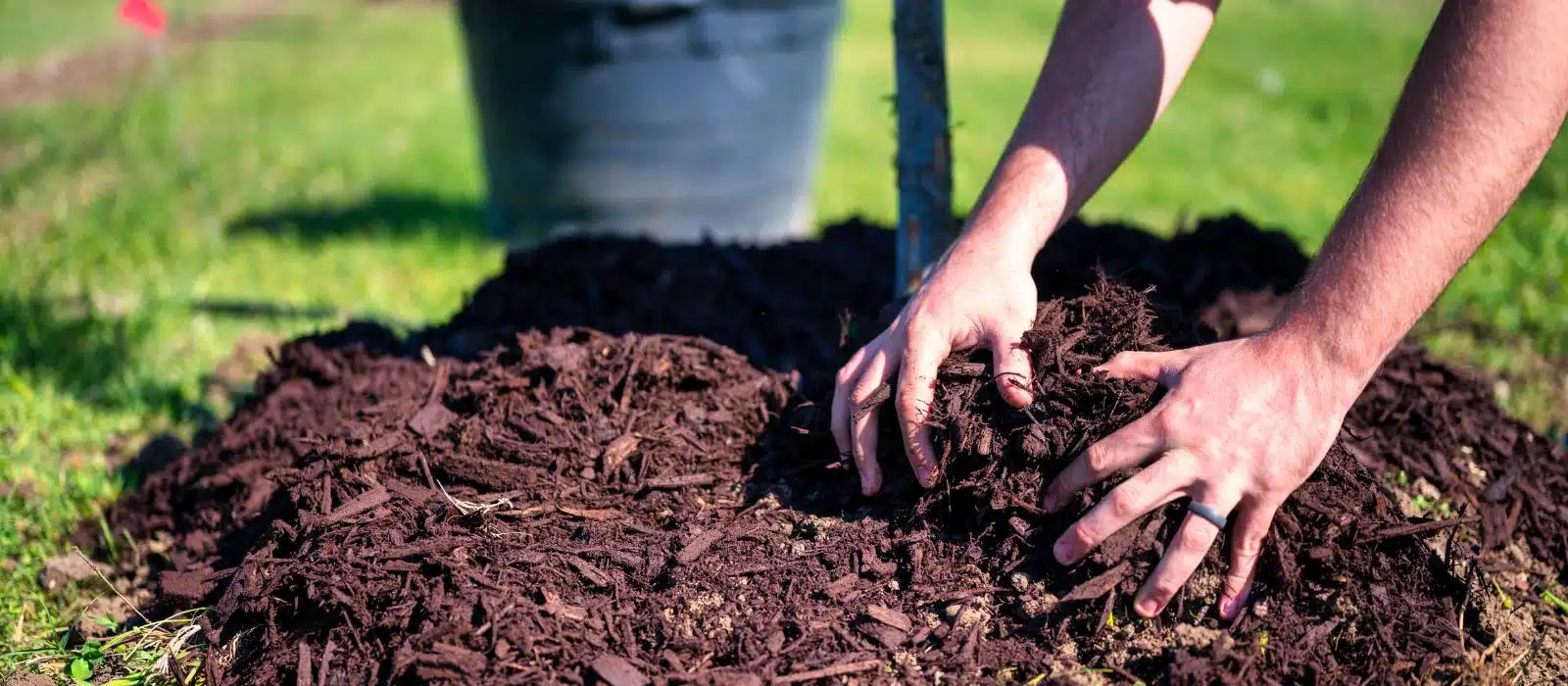
Mulch, done correctly, is one of the best things you can do for a tree: a 2- to 4-inch layer spread in a wide ring out toward the drip line conserves moisture, moderates soil temperature, suppresses competing turf and slowly feeds the soil as it breaks down. The key word is ring — never a cone piled against the trunk, no matter how tidy the volcano shape looks. Spreading the same mulch out into a wide, flat ring helps the tree instead of harming it, and looks just as finished.
Those “mulch volcanoes” heaped against the bark are actively harmful: they trap moisture against the trunk and invite rot, encourage girdling roots, and harbor pests and disease against the bark. We keep mulch pulled back a few inches from the trunk so the root flare can breathe. Compaction and poor soil also worsen iron chlorosis, so soil care is part of the bigger health picture. We provide soil aeration and mulching across Northglenn and all 22 of the communities we serve.
Owner-Operated, ISA Certified, Insured
Shawn Brandau has rebuilt Front Range root zones since 1991 — an ISA Certified Arborist who treats the soil as seriously as the tree, full insurance on every job, and no mulch volcanoes.
Related Plant Health Care
Iron Chlorosis Treatment
Fix yellowing leaves worsened by poor, packed soil.
Iron chlorosis treatment →Soil Aeration & Mulching FAQs
Compaction collapses the pore spaces roots use for air and water, so roots suffocate, water runs off instead of soaking in, and the tree slowly declines — thin canopy, poor growth and early fall color are common signs that the ground, not the tree, is the real problem.
They are methods of loosening compacted soil in the root zone without damaging roots, fracturing the packed ground so air and water can return. We can also work organic matter into the loosened soil for a longer-lasting improvement, rebuilding the structure rather than just punching temporary holes.
A 2- to 4-inch layer in a wide ring out toward the drip line, kept a few inches away from the trunk. Never pile it against the bark — that traps moisture and causes rot and girdling roots.
Mulch heaped against the trunk holds moisture against the bark, inviting decay, encourages roots to girdle the trunk, and harbors pests. Keeping mulch pulled back lets the root flare breathe and keeps the tree healthy.
It helps a lot when compaction is the problem, and it makes fertilization and other care work better. But if a pest, disease or chlorosis is also involved, we treat those too — we diagnose the whole picture before recommending work, so the soil care is solving the real underlying problem and not just one visible symptom of it.
