
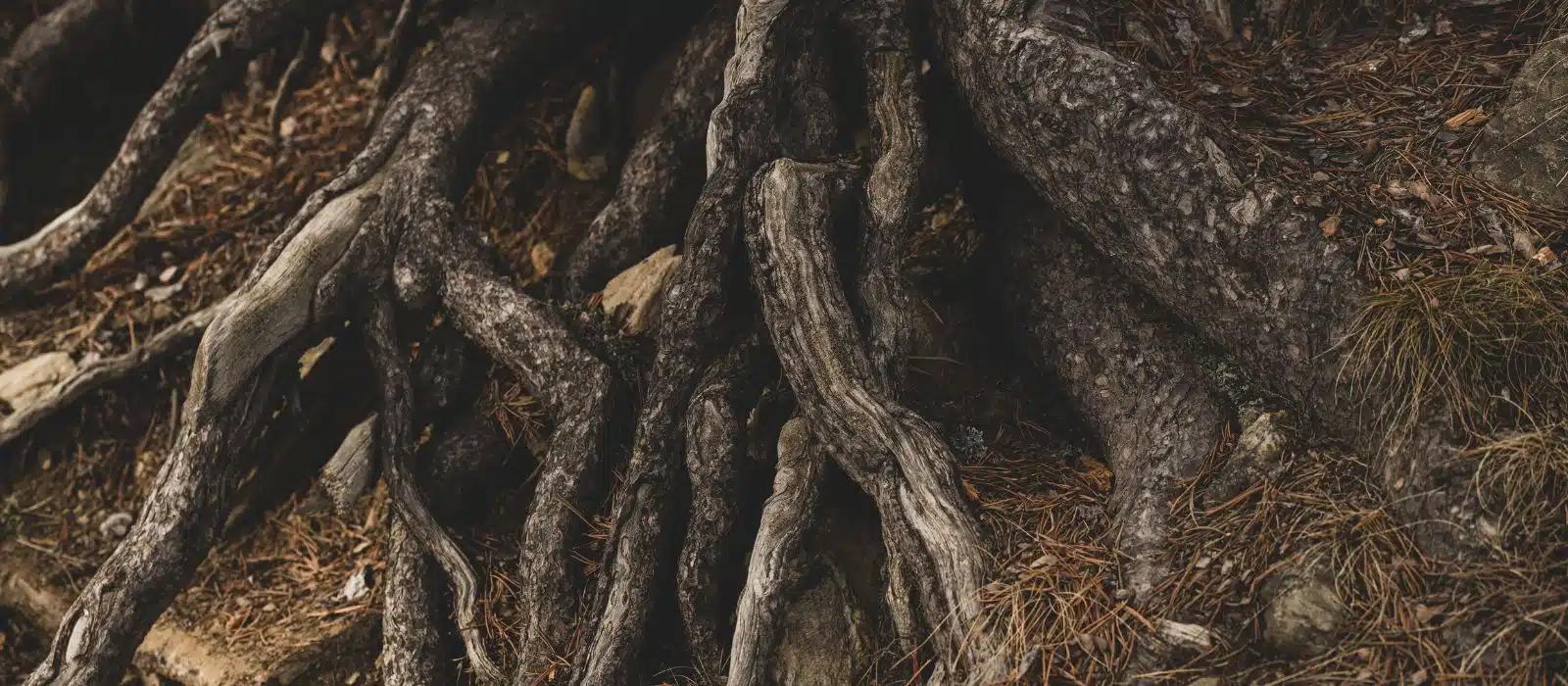
Surface Root Removal
Tame disruptive surface roots from lawns and walkways.
Creative Tree & Stump LLC is a Brighton, CO-based tree removal company serving 22 communities across Adams, Weld, Jefferson, Boulder, Broomfield, and Denver counties. This is exactly the kind of judgment call an arborist should make — Shawn Brandau, an ISA Certified Arborist with Front Range experience since 1991, weighs the fix against the tree’s health, and the company is fully insured. The goal is never just to clear a root — it is to solve the surface problem in a way the tree can live with.
Why Do Surface Roots Form?
Some trees are simply prone to surface roots — cottonwood, silver maple, ash, elm and spruce among the worst on the Front Range. But the conditions here push it further: compacted, often shallow soils over clay, lawn irrigation that keeps moisture near the surface, and grade changes around homes all encourage roots to grow up and out rather than down. As a tree matures, those roots thicken into the ridges that crack sidewalks and break mower decks.
Along the South Platte through Henderson and the river bottoms, big cottonwoods with sprawling surface roots are especially common, and their roots can travel a surprising distance from the trunk into lawns, beds and driveways. By the time a root is large enough to crack a walkway, it has usually been growing toward the surface for years.
What Can Be Safely Removed?
How much can come out depends entirely on whether the tree is staying. If the tree is being removed anyway, or the roots belong to a stump, we can grind or cut them freely. If you are keeping the tree, the rule is caution: small to moderate roots a good distance from the trunk can usually be cut, but the large buttress roots near the base — the ones that anchor the tree — must stay, because severing them can destabilize the tree or open it to decay and decline.
We assess each root before cutting, looking at its size, its distance from the trunk, and how many roots have already been removed, so the work solves your surface problem without quietly killing the tree. It is precisely the balance an ISA Certified Arborist is trained to judge. A general handyman with a saw rarely knows where that line is, which is how trees get fatally over-cut at the roots.
Protecting Tree Health
Roots feed and anchor a tree, so root pruning follows the same care as pruning a canopy: cut clean, keep within safe limits, and never remove so much that the tree is starved or made unstable. When a root problem cannot be solved by cutting alone, we will say so and suggest alternatives — a root barrier to redirect future growth, a regrade, a mulched bed in place of lawn over the roots, or relocating a walkway slightly.
And when the roots are a symptom of a tree that is in the wrong place or already declining, the honest answer is sometimes removal rather than repeated root cutting. We provide surface root removal across all 22 of the communities we serve, always with the tree’s long-term health in the decision.
Owner-Operated, ISA Certified, Insured
Shawn Brandau has worked Front Range roots and soils since 1991 — an ISA Certified Arborist making the call on what is safe to cut, full insurance on every job, and the tree’s health weighed against every fix.
Related Stump Services
Surface Root Removal FAQs
Often, yes — within limits. Small to moderate roots a good distance from the trunk can usually be cut safely, but the large anchoring roots at the base must stay. We assess each root before cutting to protect the tree’s stability and health.
Some species, like cottonwood, maple, ash and elm, are naturally surface-rooted, and Front Range conditions — shallow compacted soil and lawn irrigation — encourage roots to grow up and out. As the tree matures, those roots thicken and become visible.
It can, if the wrong roots are cut. Severing the large buttress roots that anchor a tree risks destabilizing it, which is why we never remove those. Done correctly, removing minor surface roots does not threaten stability. The risk is in how much, how large, and how close to the trunk — not in root removal itself.
Depending on the situation, a root barrier to redirect future growth, a regrade, a mulched bed instead of lawn over the roots, or shifting a walkway can solve the problem without root cutting. We recommend the option that protects the tree while still solving the problem on the ground, rather than defaulting to the saw every time.
Yes. If the tree is being removed, or the roots belong to a stump, there is no health concern and we can grind or cut the surface roots freely as part of finishing the site and reclaiming the lawn for a clean, fresh start.
