
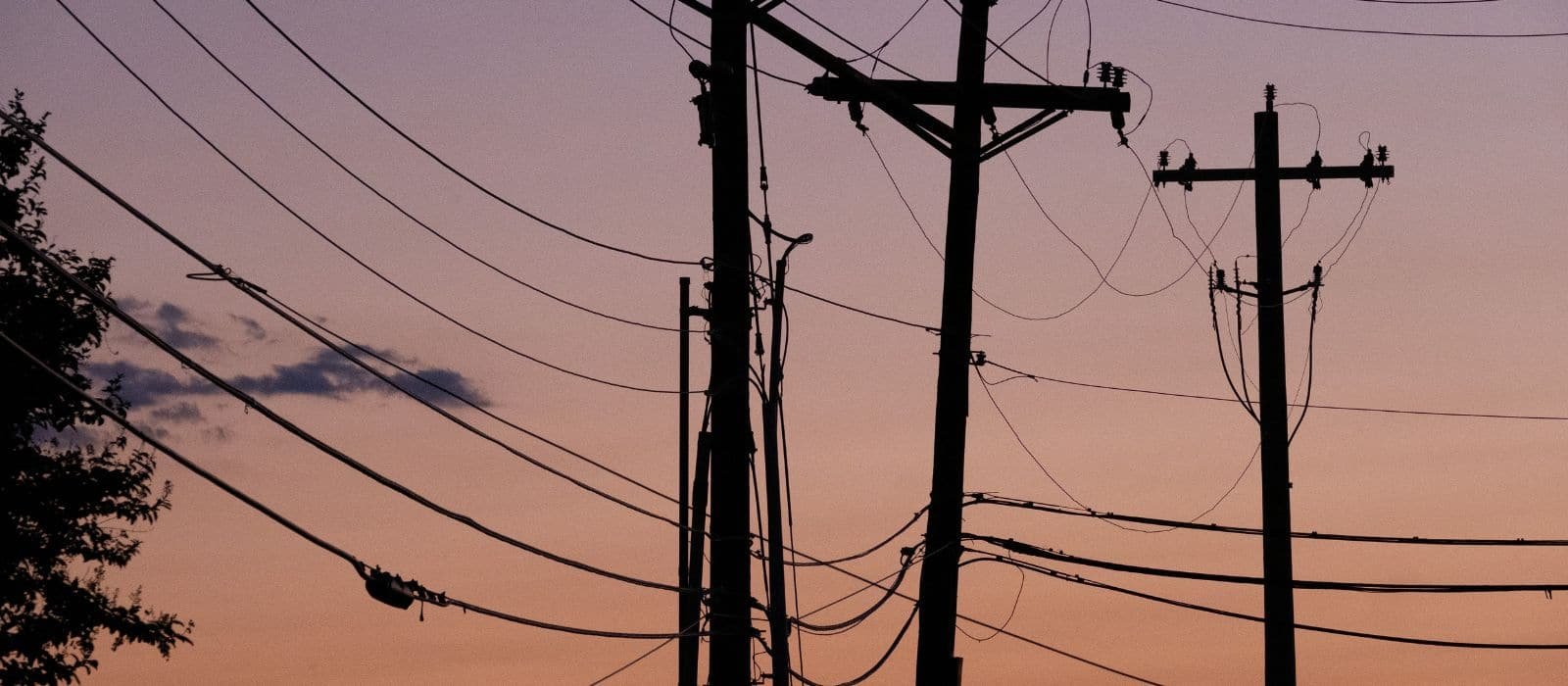
Utility Line Clearance Pruning
Directional pruning to keep limbs clear of service lines.
Creative Tree & Stump LLC is a Brighton, CO-based tree removal company serving 22 communities across Adams, Weld, Jefferson, Boulder, Broomfield, and Denver counties. Shawn Brandau — an ISA Certified Arborist — has pruned Front Range trees near service lines since 1991, and the company is fully insured. Important: energized lines are dangerous; the high-voltage lines feeding a neighborhood are the utility’s responsibility, not a homeowner’s. Knowing where that line falls keeps you safe and saves you from paying for work the utility will do for free.
Why Line Clearance Matters for Safety
Branches growing into power lines are a serious hazard. They can short the line and knock out power to a block, they can arc and start a fire in dry conditions, and a person or ladder contacting a limb that is touching a line can be electrocuted. On the Front Range, high winds and heavy wet snow regularly push limbs into lines, which is why line-adjacent trees need ongoing attention rather than a one-time cut.
This is also why line-clearance work is never a do-it-yourself job near energized conductors. In Commerce City and other areas with a dense mix of overhead service lines, even routine clearance near the drop to a building has to be done carefully and to safe distances. When work is needed near the high-voltage primary lines, that is the utility’s crew, and we will tell you to call them.
The Directional Pruning Method
Proper line clearance uses directional, or lateral, pruning — removing branches back to a side limb that grows away from the line, so the tree is encouraged to keep growing in the safe direction. This is the method utilities and arborists use because it maintains clearance while preserving the tree’s health and a reasonably natural shape over time.
It is the opposite of rounding a tree over or topping it to get it off a line. Topping near utilities triggers the same dense, weak watersprout regrowth as anywhere else — except here the fast new shoots grow straight back toward the line, making the problem worse every season. Directional pruning solves the clearance problem in a way that actually lasts. It also means fewer return visits over the years, because the tree is being trained away from the line rather than fought back from it each season.
Homeowner vs. Utility Responsibility
Responsibility usually splits at the connection. The high-voltage primary lines running along the street or alley are maintained by the electric utility, and they handle pruning around them — you should never prune or hire a general crew to work near those. The service drop, the lower-voltage line running from the pole to your house, plus any trees elsewhere on your property, are generally the homeowner’s responsibility.
That homeowner side is where we help: clearing limbs off the service drop, keeping yard trees a safe distance from lines, and shaping growth directionally so clearance lasts. If a job requires the primary line to be de-energized or involves the utility’s equipment, we will tell you to contact your provider first. We provide line-clearance pruning across all 22 of the communities we serve.
Owner-Operated, ISA Certified, Insured
Shawn Brandau has pruned Front Range trees near service lines since 1991 — an ISA Certified Arborist on site, full insurance on every job, and a safety-first approach that knows where the homeowner’s responsibility ends and the utility’s begins.
Related Pruning Services
Utility Line Clearance FAQs
The electric utility maintains the high-voltage primary lines along streets and alleys. The service drop to your house and trees elsewhere on your property are generally the homeowner’s responsibility — that is the work we handle. If you are unsure which line is which, we can help you identify it on site.
No. Working near energized lines risks electrocution, even from a limb that is merely touching a line. Leave anything near power lines to qualified professionals, and contact your utility for work near the primary lines. Even a wood-handled pole pruner offers no protection if it bridges a limb and a live conductor.
It removes branches back to a side limb growing away from the line, steering future growth in the safe direction. It keeps clearance while preserving the tree’s health and shape, and it lasts far longer than rounding a tree over.
Topping triggers dense, weak regrowth that shoots straight back toward the line, making the hazard worse each season — plus all the usual decay and structural harm. Directional pruning is the correct, lasting solution that keeps clearance while keeping the tree.
Done directionally and to standard, no. The tree keeps a reasonably natural form and stays healthy. The harm comes from improper topping near lines, which we do not do — we prune to guide growth, not to butcher the tree. A directionally pruned tree near a line can stay healthy and attractive for its full life.
